Fluid power systems are the silent workhorses of modern industry. Whether you are managing complex hydraulic circuits, agricultural irrigation networks, or chemical processing plants, the heart of your fluid transport system is almost certainly a pump. Among the various types of positive displacement equipment available, gear pumps remain the industry standard for applications requiring steady, high-pressure flow. Because these systems are responsible for keeping critical machinery operational, selecting a high-quality gear pump manufacturer is a strategic decision that impacts everything from daily maintenance overhead to long-term equipment reliability.
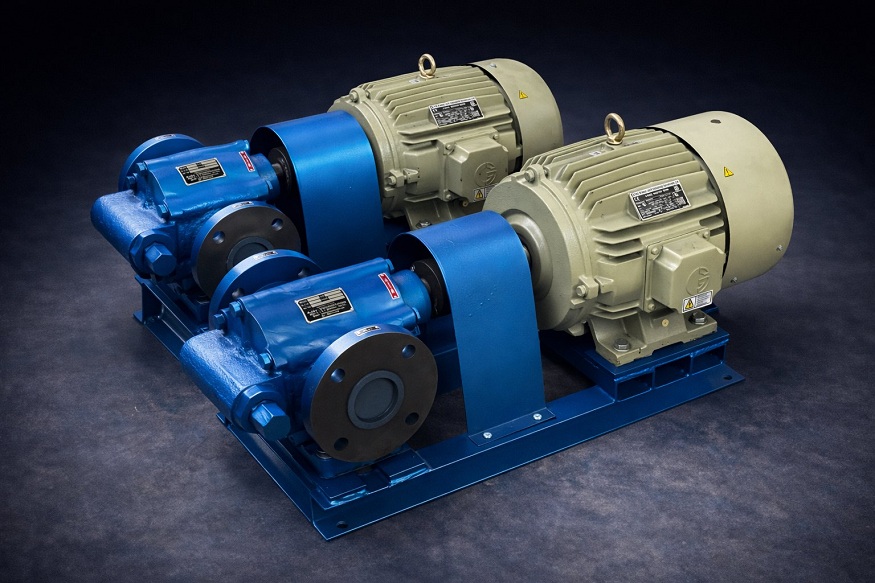
Understanding the mechanics of these pumps is the first step in ensuring your systems perform at their peak. These pumps operate by using two interlocking gears to trap fluid between the gear teeth and the pump housing, forcing it toward the discharge port with every rotation. This creates a remarkably consistent flow rate, regardless of changes in discharge pressure. While the concept is simple, the precision required to manufacture these components is immense. A failure to hold strict tolerances during the manufacturing process can lead to internal leakage, cavitation, and premature mechanical failure.
Why Industrial Standards Matter in Pump Selection
When you are vetting a potential gear pump manufacturer, the focus should shift beyond the initial purchase price and toward engineering integrity. The best manufacturers prioritize advanced metallurgy and precision machining. Because these pumps are often tasked with handling viscous liquids or abrasive slurries, the internal components—specifically the gears and the wear plates—must be crafted from hardened alloys designed to resist scoring and fatigue.
Read More: What Are the Challenges of Implementing Payments Automation?
A manufacturer that invests in rigorous quality assurance protocols will provide comprehensive documentation regarding material sourcing and pressure testing results. In environments like industrial manufacturing or large-scale oil processing, the cost of downtime caused by a failed pump far exceeds the cost of a premium, well-engineered unit. Reliable gear oil pumps are characterized by high volumetric efficiency and a design that accounts for thermal expansion during continuous duty cycles. By choosing components from an established firm that adheres to international quality standards, you ensure that your operations remain fluid and uninterrupted.
Optimizing Efficiency for Gear Oil Pumps
The performance of gear oil pumps is heavily dependent on fluid viscosity and operating temperature. In many industrial contexts, oil viscosity changes significantly as equipment warms up during a standard shift. A high-quality pump is designed with specific clearances that compensate for these thermal changes, ensuring that the pump maintains optimal pressure even as the oil thins under heat.
To maximize the life of your equipment, consider the following technical factors:
- Viscosity Matching: Ensure the pump’s specifications align with the viscosity range of the oil used in your specific machinery. Using an incorrectly specified pump often leads to excessive heat generation and motor strain.
- Filtration Protocols: Because gear pumps rely on tight tolerances to create a seal, even small particulates can cause significant damage to the gear faces. Implementing a multi-stage filtration system before the pump intake is critical for long-term reliability.
- Sealing Integrity: High-pressure applications often require specialized mechanical seals. Discussing your specific pressure requirements with a professional gear pump manufacturer can help you determine whether your application requires standard lip seals or heavy-duty mechanical alternatives.
Assessing Technical Support and Customization Capabilities
Engineering is rarely a “one size fits all” endeavor. Many operational environments require custom port configurations, specific mounting footprints, or materials that resist chemical corrosion. A superior gear pump manufacturer acts as a technical partner rather than a simple vendor. They should be able to provide application engineering support, assisting your team in sizing the pump correctly to match your system’s duty cycle and required flow velocity.
When evaluating a partner for your fluid systems, inquire about their ability to provide custom fabrication for existing footprints. Retrofitting a legacy system with modern, high-efficiency equipment often requires specific adjustments to input shafts or flange patterns. A manufacturer capable of providing bespoke modifications allows you to modernize your infrastructure without necessitating a total system overhaul. This level of service is particularly valuable in sectors like aerospace, automotive manufacturing, and heavy equipment maintenance, where legacy systems must remain functional while utilizing modern, high-performance parts.
The Role of Preventive Maintenance in Pump Longevity
Even the most robustly manufactured equipment requires a structured maintenance regimen. For those who rely on gear oil pumps for critical lubrication or fuel transfer, the goal should be predictive rather than reactive maintenance. Regularly analyzing the vibration and acoustic signature of a pump can reveal the early stages of bearing wear or gear misalignment long before they lead to a catastrophic failure.
An experienced gear pump manufacturer will typically provide detailed maintenance manuals that outline the recommended service intervals and signs of impending wear. Paying close attention to these guidelines, especially concerning the replacement of internal seals and the monitoring of shaft endplay, will significantly extend the service life of your units. By maintaining a clean, filtered, and properly pressurized fluid environment, you allow the pump to operate within the design parameters for which it was engineered.
Environmental and Operational Contexts
The location of your operation often dictates the specific requirements for your fluid transport hardware. For example, systems exposed to extreme outdoor temperatures, such as those found in mining or construction in northern latitudes, require materials that do not become brittle in the cold. Conversely, plants operating in highly humid or corrosive environments need specialized housing materials that resist oxidation.
Read More: Who Needs Answering Service for Businesses?
When you work with a top-tier gear pump manufacturer, they will take these environmental stressors into account during the selection process. They understand that a pump installed in a climate-controlled server room cooling system has vastly different requirements than one bolted to a construction vehicle in the field. By providing clear information about your operational environment, you enable the manufacturer to recommend the correct coatings, seal materials, and housing alloys that will prevent premature corrosion and environmental fatigue.
Making the Final Selection
Choosing the right equipment is an investment in your company’s operational stability. When you reach out to a gear pump manufacturer, look for indicators of transparency and technical depth. Are they willing to share performance curves and test data? Can they provide references for similar applications in your specific industry? Do they offer a warranty that covers not just the materials, but the performance integrity of the unit?
In the world of fluid dynamics, small errors in selection or quality lead to significant problems in output. Whether you are sourcing high-flow gear oil pumps for a massive industrial hydraulic system or smaller units for precision machinery, the priority should always remain on precision and engineering excellence. By focusing on these core pillars—material quality, design precision, and technical partnership—you position your business for success, ensuring that your fluid systems function reliably year after year.
Remember, the goal is to integrate a system that you never have to think about because it consistently delivers the performance you require. By partnering with a dedicated gear pump manufacturer, you secure the mechanical reliability that defines a well-run, efficient operation.